Buy mobilegames.eu ?
We are moving the project
mobilegames.eu .
Are you interested in purchasing the domain
mobilegames.eu ?
domain@kv-gmbh.de · 0541-91531010
Buy mobilegames.eu ?
Is it competitive or non-competitive inhibition?
It is non-competitive inhibition. This is because the inhibitor binds to an allosteric site on the enzyme, which is different from the active site where the substrate binds. This type of inhibition does not compete with the substrate for binding to the enzyme, hence the name non-competitive inhibition. **
Non-competitive inhibition, right?
Non-competitive inhibition is a type of enzyme inhibition where the inhibitor binds to a site on the enzyme that is not the active site. This binding causes a conformational change in the enzyme, making it less effective at catalyzing the reaction. Non-competitive inhibitors do not compete with the substrate for binding to the enzyme. Instead, they can bind to the enzyme-substrate complex or to a separate allosteric site on the enzyme. **


Similar search terms for Non-competitive
Top-Angebote
Products related to Non-competitive:
-
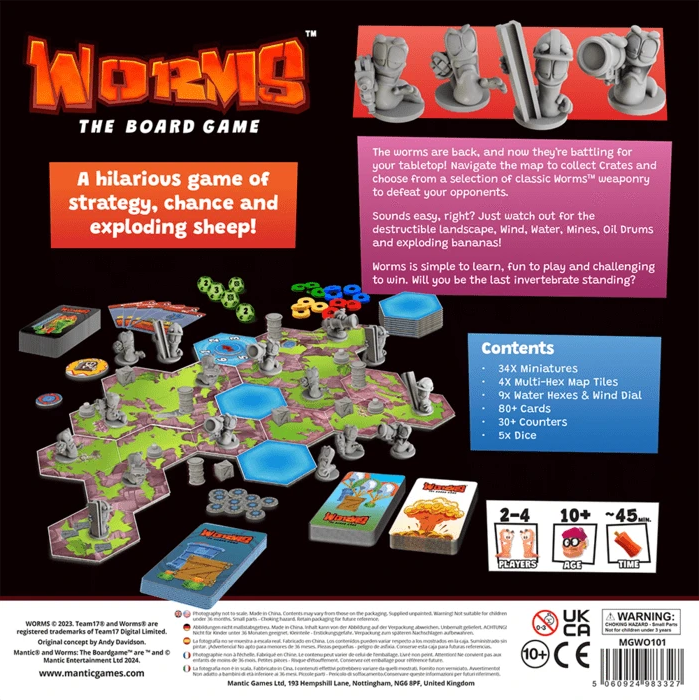
Mantic Games Worms: The Board Game - Competitive Strategy Game for AdultsPlayers command teams of Worms across a hex-based battlefield, gathering crates, avoiding mines, and choosing the right weapons to outmanoeuvre opponents. Designed for competitive tabletop play and family game nights.42,32 £*Shipping: 3,95 £Secure redirect to the provider
-
Mysthea Essential Edition - Competitive Strategy Board Game with 71 Miniatures - Tabula GamesExplore the floating islands of Ilvash in Mysthea, a competitive strategy board game that combines area control, hand management, and a dynamic game board. Players take on the role of Champions serving the Kingdom's guilds, traveling across shifting terrain, establishing strongholds, commanding armies, and confronting monsters while competing to influence the unstable islands. Each Champion has unique abilities, and a card-driven system allows you to develop your options over several Eras. Careful hand management is crucial, as you choose when to use your cards, when to preserve them, and how to combine their effects for long-term plans. Temporary cooperation may be necessary to overcome certain threats, but alliances can change as the contest develops. With modular components, variable scoring, and 71 detailed miniatures, Mysthea offers a substantial strategy experience for players who enjoy competitive games.84,07 £*Shipping: 0,00 £Secure redirect to the provider
-
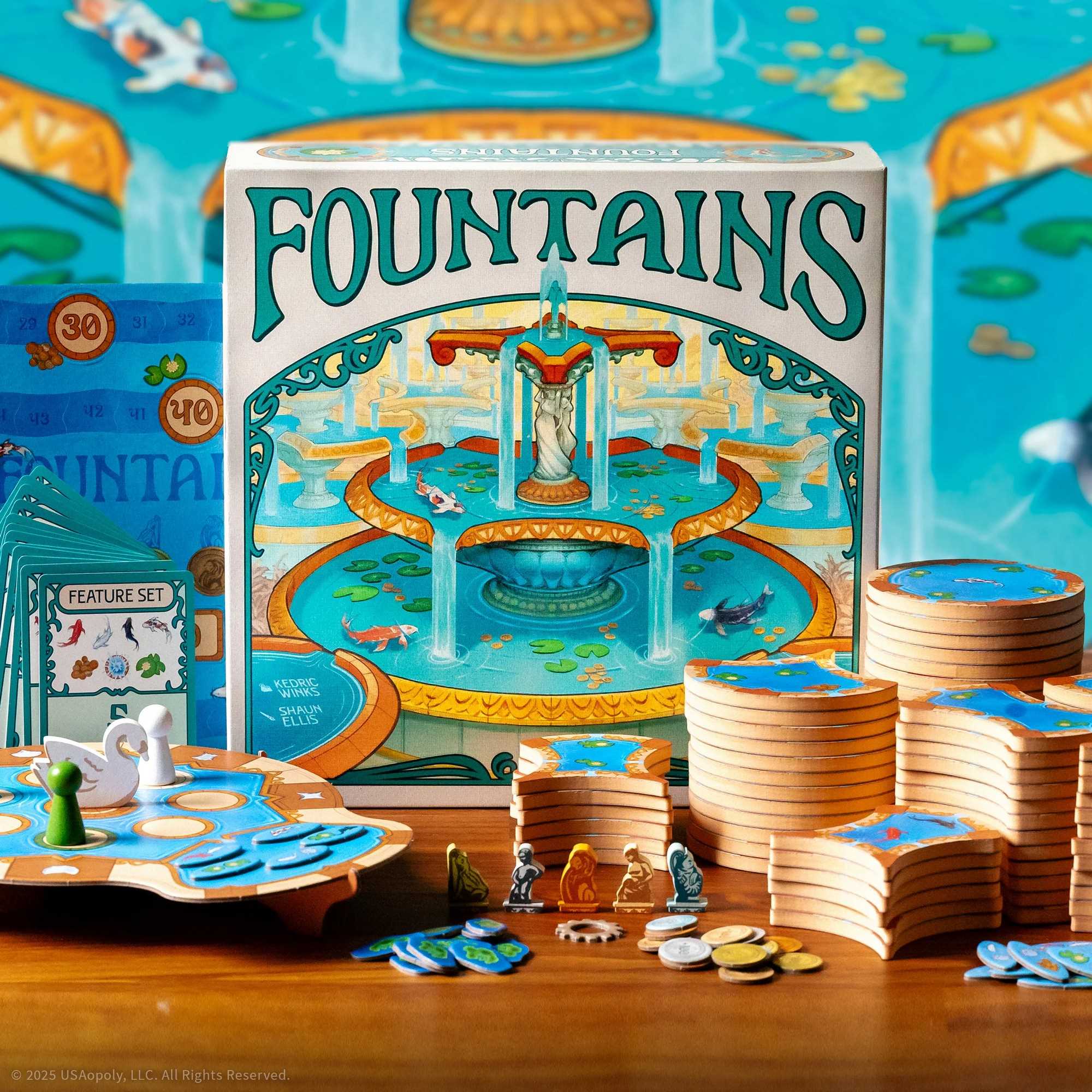
USA-OPOLY Fountains Competitive Tile-Laying Strategy Game for Multiple Players - Board GameBuild a spectacular fountain in the city of Florimelle with Fountains, a competitive tile-laying strategy game from USA-OPOLY. Players take on the role of master Fountaineers, developing their own fountain while carefully choosing tiles that can also benefit their opponents. Each decision contributes to the evolving design of the city's fountains. Plan your layout, manage opportunities, and look for ways to create an impressive final construction. The accessible tile-laying format makes the game approachable, while the competitive choices provide meaningful tactical depth from one play to the next. Suitable for tabletop game sessions with family and friends.31,99 £*Shipping: 3,95 £Secure redirect to the provider
-
Apiary Competitive Strategy Board Game - Worker-Placement Hive-Building for 1-4 PlayersBuild a thriving spacefaring hive in Apiary, a competitive worker-placement and hive-building board game from Stonemaier Games. Players develop their hives by assigning specialized bees to gather resources, explore the surrounding universe, and expand their growing colonies. Each decision helps shape your engine and determines how efficiently your hive can develop. Apiary combines worker placement with resource management, exploration, and tableau-building elements. The game offers multiple strategic routes, allowing players to focus on different aspects of hive development during each session.60,20 £*Shipping: 0,00 £Secure redirect to the provider


-
What is the difference between competitive and non-competitive inhibition?
Competitive inhibition occurs when a molecule competes with the substrate for the active site of the enzyme, thus reducing the enzyme's ability to bind with the substrate. Non-competitive inhibition, on the other hand, occurs when a molecule binds to a site on the enzyme other than the active site, causing a conformational change in the enzyme that reduces its activity. In competitive inhibition, increasing the substrate concentration can overcome the inhibition, while in non-competitive inhibition, increasing the substrate concentration does not alleviate the inhibition. **
-
Is non-competitive inhibition irreversible or reversible?
Non-competitive inhibition is a type of enzyme inhibition that is reversible. In non-competitive inhibition, the inhibitor binds to the enzyme at a site other than the active site, causing a conformational change in the enzyme that reduces its activity. This type of inhibition can be overcome by increasing the substrate concentration, as it does not involve permanent alteration of the enzyme. **
-
What is an example of non-competitive inhibition?
An example of non-competitive inhibition is the binding of an allosteric inhibitor to an enzyme at a site other than the active site. This binding causes a conformational change in the enzyme, which reduces its activity and prevents the substrate from binding to the active site. This type of inhibition does not compete with the substrate for binding to the active site, hence the term "non-competitive." An example of this is the binding of ATP to the enzyme phosphofructokinase in glycolysis, which inhibits its activity. **
-
Can you give me an example of competitive and non-competitive inhibition in biology?
Sure! In competitive inhibition, a molecule similar in structure to the substrate competes with the substrate for the active site of the enzyme. This prevents the substrate from binding to the enzyme and carrying out its normal function. An example of this is the drug statins, which competitively inhibit the enzyme HMG-CoA reductase, involved in cholesterol synthesis. In non-competitive inhibition, a molecule binds to the enzyme at a location other than the active site, causing a conformational change in the enzyme that reduces its activity. An example of this is the poison cyanide, which non-competitively inhibits the enzyme cytochrome c oxidase in the electron transport chain, disrupting cellular respiration. **


Is allosteric inhibition the same as non-competitive inhibition?
Allosteric inhibition and non-competitive inhibition are not the same, although they are related. Non-competitive inhibition refers to the binding of an inhibitor to a site on the enzyme that is not the active site, thereby preventing the substrate from binding to the active site. Allosteric inhibition, on the other hand, occurs when an inhibitor binds to a site on the enzyme that is distinct from the active site, causing a conformational change in the enzyme that reduces its activity. While both types of inhibition involve the binding of an inhibitor to a site other than the active site, allosteric inhibition specifically involves a change in the enzyme's shape and activity. **
What is the difference between non-competitive and allosteric inhibition?
Non-competitive inhibition occurs when an inhibitor binds to an enzyme at a site other than the active site, causing a conformational change that prevents the substrate from binding. This type of inhibition is not affected by the concentration of the substrate. On the other hand, allosteric inhibition occurs when an inhibitor binds to an allosteric site on the enzyme, causing a conformational change that reduces the enzyme's activity. Allosteric inhibition is often reversible and can be overcome by increasing the concentration of the substrate. **
Top-Angebote
Products related to Non-competitive:
-
Grail Games Fantasy Brewers Competitive Strategy Board Game - Brewmaster EditionImmerse yourself in the world of Fantasy Brewers, a competitive strategy game where you take on the role of a dwarven Brewmaster. Set during the build-up to the Orctober BeerFest, each player develops a brewery, manages a farm, and directs a team of workers to create the most successful drinks. Players place workers to carry out actions, adapt their plans as they buy and sell goods, brew beer, distill whisky, and improve their facilities. Resources must be managed carefully, with opportunities to extend the brewery, recruit additional helpers, and decorate for the approaching festival. The game is won by earning Victory Points through brewery decisions and festival preparations. The player with the most Victory Points at the end wins the Golden Stein and the title of champion brewer. This game combines resource management and economic decision-making with a unique theme, making it a great addition to any board game collection.33,54 £*Shipping: 3,95 £Secure redirect to the provider
-
Space Cowboys Jamaica 2nd Edition Board Game - 2 Players - Competitive StrategySet sail for a thrilling adventure around 17th-century Jamaica in this strategy board game from Space Cowboys. Players take on the roles of pirate captains competing to complete the island circuit while collecting the greatest haul of gold. Each turn, choose cards to determine your actions, then decide how to use your resources as you navigate the waters. You may need to gather food, load gunpowder, manage your cargo, and confront rival ships along the route. Tactical choices, changing circumstances, and direct competition make every voyage different. This game is designed for competitive family and friends' game sessions. The second edition of the Jamaica board game includes all the necessary components, which can be checked on the packaging before purchase.32,39 £*Shipping: 3,95 £Secure redirect to the provider
-
Mantic Games Worms: The Board Game - Competitive Strategy Game for AdultsPlayers command teams of Worms across a hex-based battlefield, gathering crates, avoiding mines, and choosing the right weapons to outmanoeuvre opponents. Designed for competitive tabletop play and family game nights.42,32 £*Shipping: 3,95 £Secure redirect to the provider
-
Mysthea Essential Edition - Competitive Strategy Board Game with 71 Miniatures - Tabula GamesExplore the floating islands of Ilvash in Mysthea, a competitive strategy board game that combines area control, hand management, and a dynamic game board. Players take on the role of Champions serving the Kingdom's guilds, traveling across shifting terrain, establishing strongholds, commanding armies, and confronting monsters while competing to influence the unstable islands. Each Champion has unique abilities, and a card-driven system allows you to develop your options over several Eras. Careful hand management is crucial, as you choose when to use your cards, when to preserve them, and how to combine their effects for long-term plans. Temporary cooperation may be necessary to overcome certain threats, but alliances can change as the contest develops. With modular components, variable scoring, and 71 detailed miniatures, Mysthea offers a substantial strategy experience for players who enjoy competitive games.84,07 £*Shipping: 0,00 £Secure redirect to the provider
-
Is it competitive or non-competitive inhibition?
It is non-competitive inhibition. This is because the inhibitor binds to an allosteric site on the enzyme, which is different from the active site where the substrate binds. This type of inhibition does not compete with the substrate for binding to the enzyme, hence the name non-competitive inhibition. **
-
Non-competitive inhibition, right?
Non-competitive inhibition is a type of enzyme inhibition where the inhibitor binds to a site on the enzyme that is not the active site. This binding causes a conformational change in the enzyme, making it less effective at catalyzing the reaction. Non-competitive inhibitors do not compete with the substrate for binding to the enzyme. Instead, they can bind to the enzyme-substrate complex or to a separate allosteric site on the enzyme. **
-
What is the difference between competitive and non-competitive inhibition?
Competitive inhibition occurs when a molecule competes with the substrate for the active site of the enzyme, thus reducing the enzyme's ability to bind with the substrate. Non-competitive inhibition, on the other hand, occurs when a molecule binds to a site on the enzyme other than the active site, causing a conformational change in the enzyme that reduces its activity. In competitive inhibition, increasing the substrate concentration can overcome the inhibition, while in non-competitive inhibition, increasing the substrate concentration does not alleviate the inhibition. **
-
Is non-competitive inhibition irreversible or reversible?
Non-competitive inhibition is a type of enzyme inhibition that is reversible. In non-competitive inhibition, the inhibitor binds to the enzyme at a site other than the active site, causing a conformational change in the enzyme that reduces its activity. This type of inhibition can be overcome by increasing the substrate concentration, as it does not involve permanent alteration of the enzyme. **
Similar search terms for Non-competitive
-
USA-OPOLY Fountains Competitive Tile-Laying Strategy Game for Multiple Players - Board GameBuild a spectacular fountain in the city of Florimelle with Fountains, a competitive tile-laying strategy game from USA-OPOLY. Players take on the role of master Fountaineers, developing their own fountain while carefully choosing tiles that can also benefit their opponents. Each decision contributes to the evolving design of the city's fountains. Plan your layout, manage opportunities, and look for ways to create an impressive final construction. The accessible tile-laying format makes the game approachable, while the competitive choices provide meaningful tactical depth from one play to the next. Suitable for tabletop game sessions with family and friends.31,99 £*Shipping: 3,95 £Secure redirect to the provider
-
Apiary Competitive Strategy Board Game - Worker-Placement Hive-Building for 1-4 PlayersBuild a thriving spacefaring hive in Apiary, a competitive worker-placement and hive-building board game from Stonemaier Games. Players develop their hives by assigning specialized bees to gather resources, explore the surrounding universe, and expand their growing colonies. Each decision helps shape your engine and determines how efficiently your hive can develop. Apiary combines worker placement with resource management, exploration, and tableau-building elements. The game offers multiple strategic routes, allowing players to focus on different aspects of hive development during each session.60,20 £*Shipping: 0,00 £Secure redirect to the provider
-
Fantasy Flight Games Star Wars Deckbuilding Game - Competitive Strategy Board Game for Two PlayersJoin the epic battle between the Galactic Empire and the Rebel Alliance in this competitive deckbuilding game for two players. Choose a side and develop your starting deck as you recruit characters, deploy ships, and strengthen your forces. Each player works to undermine the opposing faction while protecting their own bases. Build combinations from the available cards, improve your deck throughout the game, and use your resources carefully to gain the advantage. The first player to destroy three opposing bases wins. This game features head-to-head strategy gameplay set in the Star Wars universe, where you can play as the Galactic Empire or Rebel Alliance. Manufacturer: Fantasy Flight Games.30,73 £*Shipping: 3,95 £Secure redirect to the provider
-
Uplift Picks Kids Steering Wheel Toy Racing Simulation Adventure Learning Game Kids Steering Wheel Toy Racing Simulation Adventure Learning GameLet little drivers take the wheel with this exciting kids steering wheel toy designed for immersive pretend play. This engaging racing simulation toy for children brings lights, sounds, and interactive challenges together for a realistic driving...210,00 $*Shipping: 0,00 $Secure redirect to the provider
-
What is an example of non-competitive inhibition?
An example of non-competitive inhibition is the binding of an allosteric inhibitor to an enzyme at a site other than the active site. This binding causes a conformational change in the enzyme, which reduces its activity and prevents the substrate from binding to the active site. This type of inhibition does not compete with the substrate for binding to the active site, hence the term "non-competitive." An example of this is the binding of ATP to the enzyme phosphofructokinase in glycolysis, which inhibits its activity. **
-
Can you give me an example of competitive and non-competitive inhibition in biology?
Sure! In competitive inhibition, a molecule similar in structure to the substrate competes with the substrate for the active site of the enzyme. This prevents the substrate from binding to the enzyme and carrying out its normal function. An example of this is the drug statins, which competitively inhibit the enzyme HMG-CoA reductase, involved in cholesterol synthesis. In non-competitive inhibition, a molecule binds to the enzyme at a location other than the active site, causing a conformational change in the enzyme that reduces its activity. An example of this is the poison cyanide, which non-competitively inhibits the enzyme cytochrome c oxidase in the electron transport chain, disrupting cellular respiration. **
-
Is allosteric inhibition the same as non-competitive inhibition?
Allosteric inhibition and non-competitive inhibition are not the same, although they are related. Non-competitive inhibition refers to the binding of an inhibitor to a site on the enzyme that is not the active site, thereby preventing the substrate from binding to the active site. Allosteric inhibition, on the other hand, occurs when an inhibitor binds to a site on the enzyme that is distinct from the active site, causing a conformational change in the enzyme that reduces its activity. While both types of inhibition involve the binding of an inhibitor to a site other than the active site, allosteric inhibition specifically involves a change in the enzyme's shape and activity. **
-
What is the difference between non-competitive and allosteric inhibition?
Non-competitive inhibition occurs when an inhibitor binds to an enzyme at a site other than the active site, causing a conformational change that prevents the substrate from binding. This type of inhibition is not affected by the concentration of the substrate. On the other hand, allosteric inhibition occurs when an inhibitor binds to an allosteric site on the enzyme, causing a conformational change that reduces the enzyme's activity. Allosteric inhibition is often reversible and can be overcome by increasing the concentration of the substrate. **
* All prices are inclusive of VAT and, if applicable, plus shipping costs. The offer information is based on the details provided by the respective shop and is updated through automated processes. Real-time updates do not occur, so deviations can occur in individual cases. ** Note: Parts of this content were created by AI.